


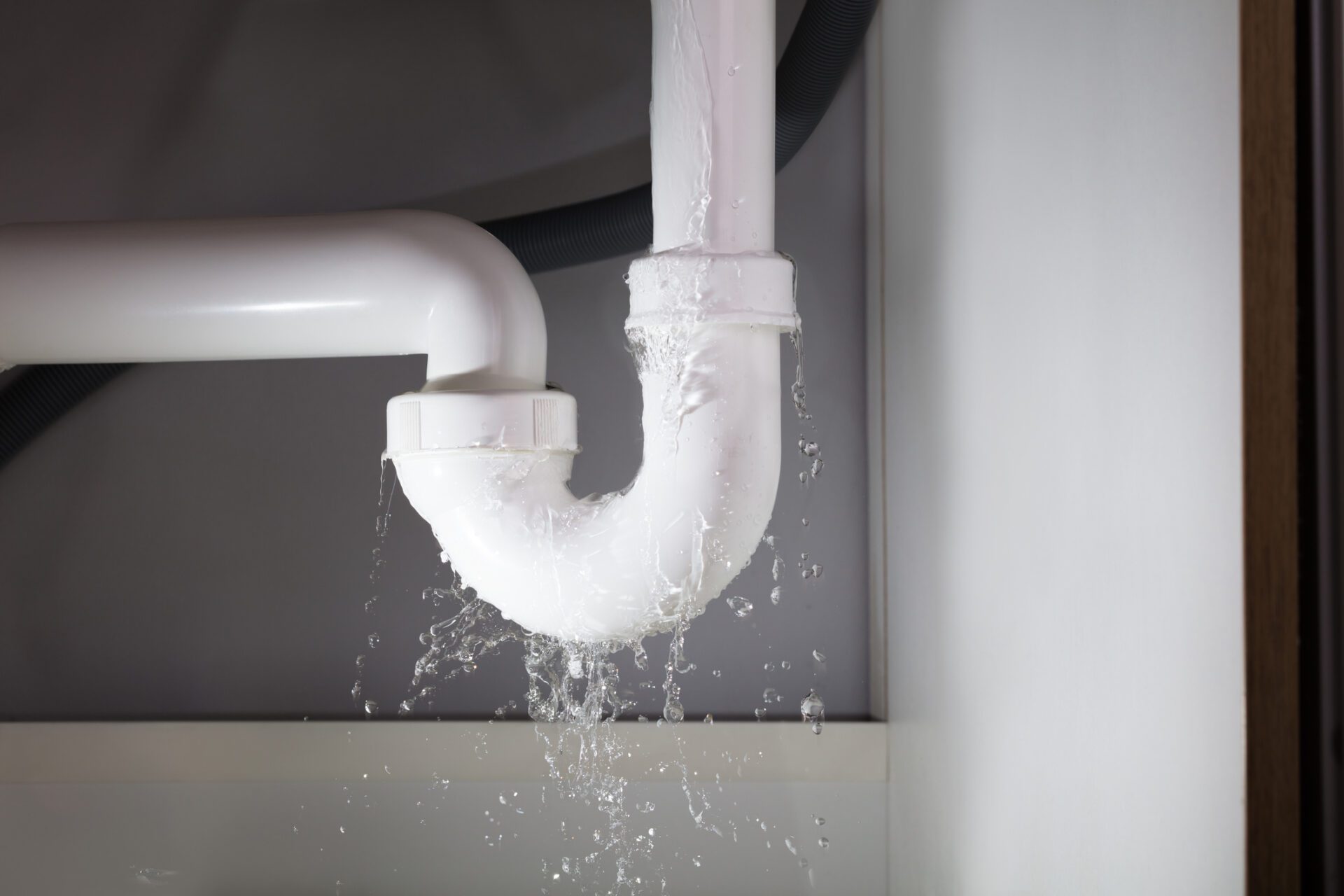


Water Leaks in Apartments: Who Pays in Queensland?
A water leak in an apartment building can quickly become more than a maintenance problem.
Water may originate from one unit, damage another unit, affect common property, or travel through walls, ceilings and service ducts. This often leads to one important question:
Who is responsible for fixing the leak — and who pays for the damage?
In Queensland body corporate schemes, the answer depends on several factors, including where the leak originated, what caused it, what property is affected, and the type of survey plan applying to the scheme.
This guide provides a practical overview of how water leak responsibility generally works in Queensland apartment buildings.
Why Water Leak Responsibility Can Be Complicated
A common misconception is that whoever discovers the water must also be responsible for repairing the problem.
That isn't necessarily the case.
For example, water appearing on the ceiling of Unit 4 might actually originate from:
- plumbing servicing Unit 5 above;
- a leaking shower or bath;
- waterproofing failure;
- common property plumbing;
- a roof or gutter;
- a balcony;
- an external wall;
- an air-conditioning system; or
- another building service.
This is why the source and cause of the leak should usually be established before responsibility is determined.
Body Corporate or Lot Owner: Who Is Responsible?
Queensland body corporate legislation places maintenance obligations on both the body corporate and individual lot owners.
As a general principle:
The body corporate is responsible for maintaining common property and certain common property infrastructure.
Individual lot owners are generally responsible for maintaining their own lot and certain fixtures, fittings and infrastructure that service only their lot.
However, apartment buildings can have different survey plans and circumstances, so responsibility should not be determined solely by where the water becomes visible.
Example 1: A Leaking Shower
Imagine water begins appearing on the ceiling of the apartment below.
An investigation finds that the source is the shower in the apartment above.
If the leak is caused by something within that owner's responsibility — for example, deterioration associated with the shower or another lot-specific fixture — the lot owner may be responsible for arranging the repair.
But the exact responsibility can depend on the cause of the failure and the boundaries of the lot.
This is why obtaining a plumber's, waterproofing contractor's or other appropriately qualified professional's report can be important.
Example 2: A Common Property Pipe
Consider a pipe running through the building that services multiple apartments.
The pipe fails and water damages several units.
If the pipe forms part of the common property infrastructure for which the body corporate is responsible, the body corporate would generally need to arrange repair of that infrastructure.
There may then be separate questions about consequential damage and insurance.
Repairing the pipe and paying for everything damaged by the pipe are not necessarily the same legal question.
Example 3: Water Coming Through the Roof
If a top-floor apartment experiences water penetration during heavy rain, the source may be the building's roof, guttering, flashing or another external building component.
Where the affected component is common property and falls within the body corporate's maintenance obligations, the body corporate would generally be responsible for arranging the relevant repair.
Again, responsibility should be confirmed based on the scheme's survey plan and the actual cause of the leak.
Example 4: Water Leaking From One Apartment Into Another
This is one of the most common situations in apartment buildings.
For example:
Unit 12 → water leak → ceiling of Unit 11
The owner of Unit 11 may understandably believe that Unit 12 must pay simply because the water came from above.
But the correct approach is usually to identify:
- Where did the water originate?
- What caused the leak?
- Who is responsible for maintaining that particular component?
- Was there any failure to properly maintain or respond to a known problem?
- What damage resulted from the leak?
The answers help determine the appropriate next steps.
What About Water Damage Inside the Apartment?
This is where another important distinction arises.
There can be several separate issues:
A. Repairing the source of the leak
and
B. Repairing the resulting damage
and potentially:
C. Making an insurance claim
For example, a body corporate may be responsible for repairing a failed common property pipe, but that does not automatically mean every damaged personal item inside an apartment will be paid for directly by the body corporate.
Depending on the circumstances, building insurance, contents insurance, landlord insurance or another insurance policy may become relevant.
Body Corporate Insurance
Queensland community titles schemes commonly have body corporate insurance covering the building and certain insurable assets.
However, body corporate insurance should not be confused with an owner's or tenant's contents insurance.
Furniture, electronics and other personal belongings may not be covered by the body corporate's building insurance.
Similarly, landlords should consider whether they have appropriate landlord insurance for their individual circumstances.
Where significant water damage occurs, the body corporate manager, building manager and relevant owners should consider notifying the appropriate insurer promptly.
What Should You Do When a Water Leak Is Discovered?
The first priority should be to prevent further damage where reasonably possible.
A practical response may include:
1. Report the Leak Immediately
Notify the building manager, body corporate representative, property manager or relevant lot owner as soon as possible.
Water leaks should not be left unresolved while the parties debate responsibility.
2. Document the Damage
Take photographs and videos showing:
- where the water is appearing;
- affected ceilings and walls;
- damaged flooring;
- damaged fixtures;
- affected personal property; and
- the progression of the leak.
Record the date and approximate time as well.
3. Identify the Source
A plumber, leak detection specialist, waterproofing contractor or other qualified professional may need to investigate.
For complex leaks, simply assuming the water came from the apartment directly above can lead to unnecessary disputes and incorrect repairs.
4. Obtain a Written Report
Where possible, obtain written information identifying:
- the suspected source;
- cause of the leak;
- affected component;
- recommended repair; and
- whether urgent action is required.
Good documentation can be extremely valuable when determining responsibility or making an insurance claim.
5. Check the Survey Plan
The scheme's survey plan can be important in determining boundaries and maintenance responsibility.
The answer can differ depending on how the community titles scheme has been established.
6. Consider Insurance
If significant damage has occurred, relevant insurers should be notified as soon as reasonably possible.
Don't Ignore Small Leaks
A small stain on a ceiling can be the first indication of a much larger problem.
Delayed investigation can result in:
- mould;
- damaged plasterboard;
- timber deterioration;
- damaged flooring;
- electrical risks;
- deterioration of building materials;
- damage to neighbouring apartments; and
- substantially higher repair costs.
Early investigation is usually much cheaper than dealing with extensive water damage later.
The Building Manager's Role
An experienced building manager can play an important role when water leaks occur.
The building manager may assist by:
- inspecting the affected area;
- identifying where the problem may be originating;
- contacting the relevant residents or owners;
- coordinating access between apartments;
- arranging appropriate contractors;
- photographing and documenting damage;
- updating the body corporate committee;
- keeping maintenance records; and
- monitoring the area after repairs.
Good communication is particularly important when several apartments are involved.
Instead of different owners independently contacting contractors and insurers, coordinated building management can help establish what happened and what needs to occur next.
Who Pays? There Isn't Always One Simple Answer
When a water leak occurs in a Queensland apartment building, avoid automatically assuming:
"The body corporate has to pay."
or
"The apartment above has to pay."
The better question is:
What caused the leak, where is the responsible building component located, and who has the legal obligation to maintain that component?
Once those questions are answered, responsibility becomes much clearer.
Important Disclaimer
This article provides general information only and should not be relied upon as legal, insurance or financial advice. Responsibility for water leaks can depend on the circumstances of the incident, the scheme's survey plan, applicable legislation, by-laws, insurance policies and other relevant documents.
For a specific dispute or significant water damage event, consider obtaining advice from the body corporate manager, insurer, appropriately qualified contractor and, where necessary, a Queensland body corporate lawyer.

