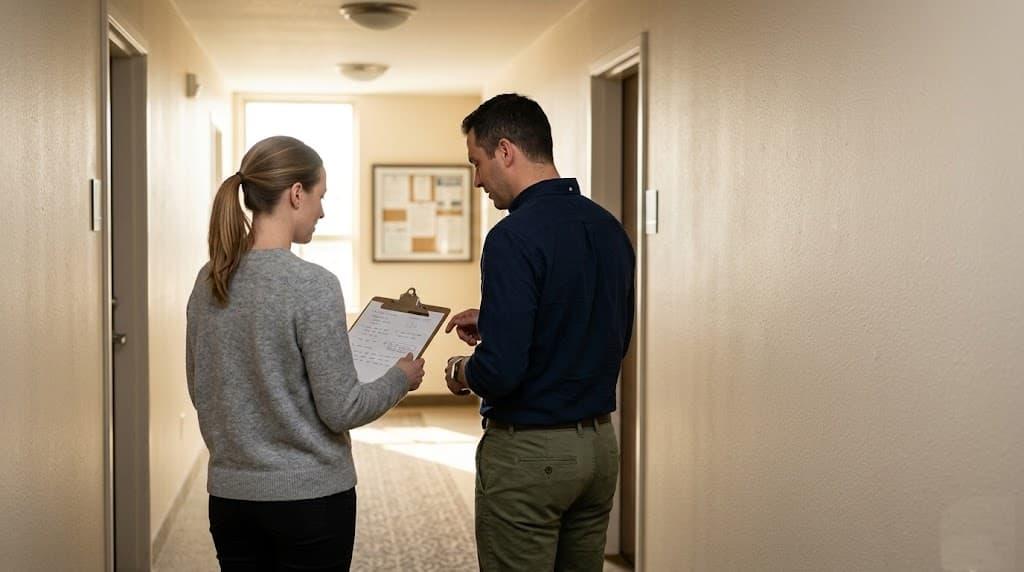




Poor property management does not always appear as one major incident. More often, the cost develops gradually through unanswered emails, delayed maintenance, incomplete records, repeated complaints and confusion about responsibilities.
For a Queensland residential complex, these issues can affect much more than an individual rental property. They can increase pressure on the onsite manager and Body Corporate Committee, create frustration among residents and gradually damage the reputation of the building.
Small Problems Can Create Wider Consequences
A minor issue can become expensive when it is not reported or managed correctly.
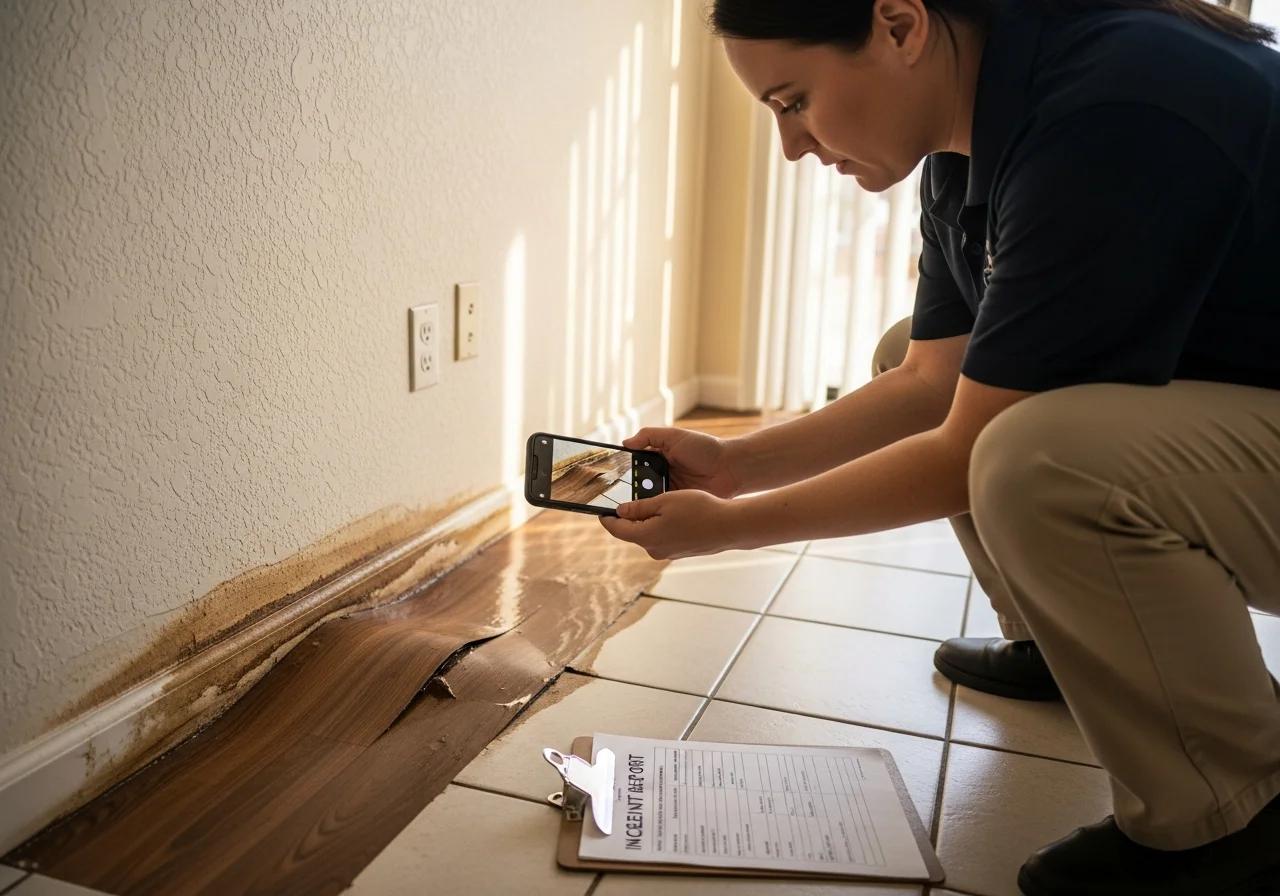
A tenant may report a small leak, access problem or damaged fitting. If the information is incomplete or sent to the wrong party, the matter may remain unresolved. Over time, the issue may cause additional damage, generate repeated complaints or involve common property.
The hidden cost is not limited to the repair itself. It also includes staff time, resident dissatisfaction, committee involvement and possible disputes over responsibility.
Warning Signs of Poor Property Management
Committees and onsite managers should pay attention to recurring patterns such as:
- Slow or inconsistent responses
- Repeated tenant complaints
- Incomplete maintenance information
- Poor move-in and move-out coordination
- Tenants who do not understand building procedures
- Missing inspection or communication records
- Unclear responsibility for follow-up
- Frequent changes in property management staff
One isolated issue may be manageable. However, repeated problems often indicate that the property management structure is not working effectively.
The Impact on Common Areas and Residents
Tenancy management can directly influence the wider residential community.
When tenants are not properly informed about parking, waste disposal, access devices, lift bookings or shared facilities, the consequences are usually experienced by the onsite manager, residents and committee members.
This creates unnecessary tension between owner-occupiers and tenants. It can also lead to the incorrect assumption that every problem is the responsibility of the onsite manager or Body Corporate.
Clear tenant onboarding and building-specific instructions can prevent many of these issues before they occur.
The Cost of Unclear Responsibilities
In a community titles scheme, the Body Corporate Committee, body corporate manager, onsite manager and residential property manager perform different functions.
When these responsibilities are not clearly understood, tasks may be duplicated or overlooked. Committee members may become involved in routine tenancy matters, while property managers may refer issues to the onsite manager without sufficient information.
An effective management framework should identify:
- Who receives the initial report
- Who investigates the issue
- Who communicates with the tenant or owner
- When the matter should be escalated
- Who confirms that the issue has been resolved
Clear responsibility reduces delays and creates accountability.
Reputation Is a Long-Term Asset
Residents and owners judge a building through their daily experiences. Clean common areas are important, but so are communication, access coordination, maintenance responses and the behaviour of occupants.
A building known for poor communication or repeated management problems may find it more difficult to retain owners, attract quality tenants and maintain community confidence.
By contrast, a well-managed complex feels organised, responsive and professionally maintained. This supports owner satisfaction and the long-term desirability of the building.
What Should Committees and Onsite Managers Review?
A practical service review should consider:
- Response and resolution times
- Tenant onboarding procedures
- Maintenance reporting processes
- Quality of property records
- Communication between management parties
- Owner and resident feedback
- Recurring complaints or unresolved matters
The purpose is not to assign blame. It is to identify gaps and establish a more effective way for all parties to work together.
Reducing the Hidden Cost
Strong property management combines reliable systems with local building knowledge. It ensures tenants receive clear instructions, owners remain informed and maintenance concerns are directed through the correct channels.
Harmony Living brings more than ten years of Queensland residential and onsite management experience. We understand how tenancy management interacts with onsite operations, committee priorities and the wider residential community.
If your complex is experiencing repeated complaints, communication gaps or unclear management responsibilities, Harmony Living can help review the current structure and develop a more coordinated property management approach.